Top Hardscaping Trends in Langley for Modern Outdoor Spaces

June 18, 2026

Modern Outdoor Living Features

Outdoor living continues to grow in popularity across Langley as homeowners look for ways to make better use of their properties. While landscaping focuses on plants, lawns, and gardens, hardscaping provides the structure that brings an outdoor space together. Patios, walkways, retaining walls, fire features, and outdoor living areas all play an important role in creating a functional and attractive backyard.


As design trends evolve, many homeowners are investing in modern hardscaping solutions that combine beauty, durability, and practicality. Here are some of the top hardscaping trends currently transforming outdoor spaces in Langley.


Large Format Pavers


One of the most popular trends in modern hardscaping is the use of large format pavers. These oversized paving stones create a clean, contemporary appearance while making outdoor spaces feel larger and more open.


Large pavers work particularly well for patios, walkways, and pool surrounds. Their sleek lines and minimal joint spacing help create a sophisticated look that complements modern homes throughout Langley.


Homeowners often choose neutral colours such as grey, charcoal, and beige to achieve a timeless design that blends naturally with surrounding landscaping.


Outdoor Living Areas


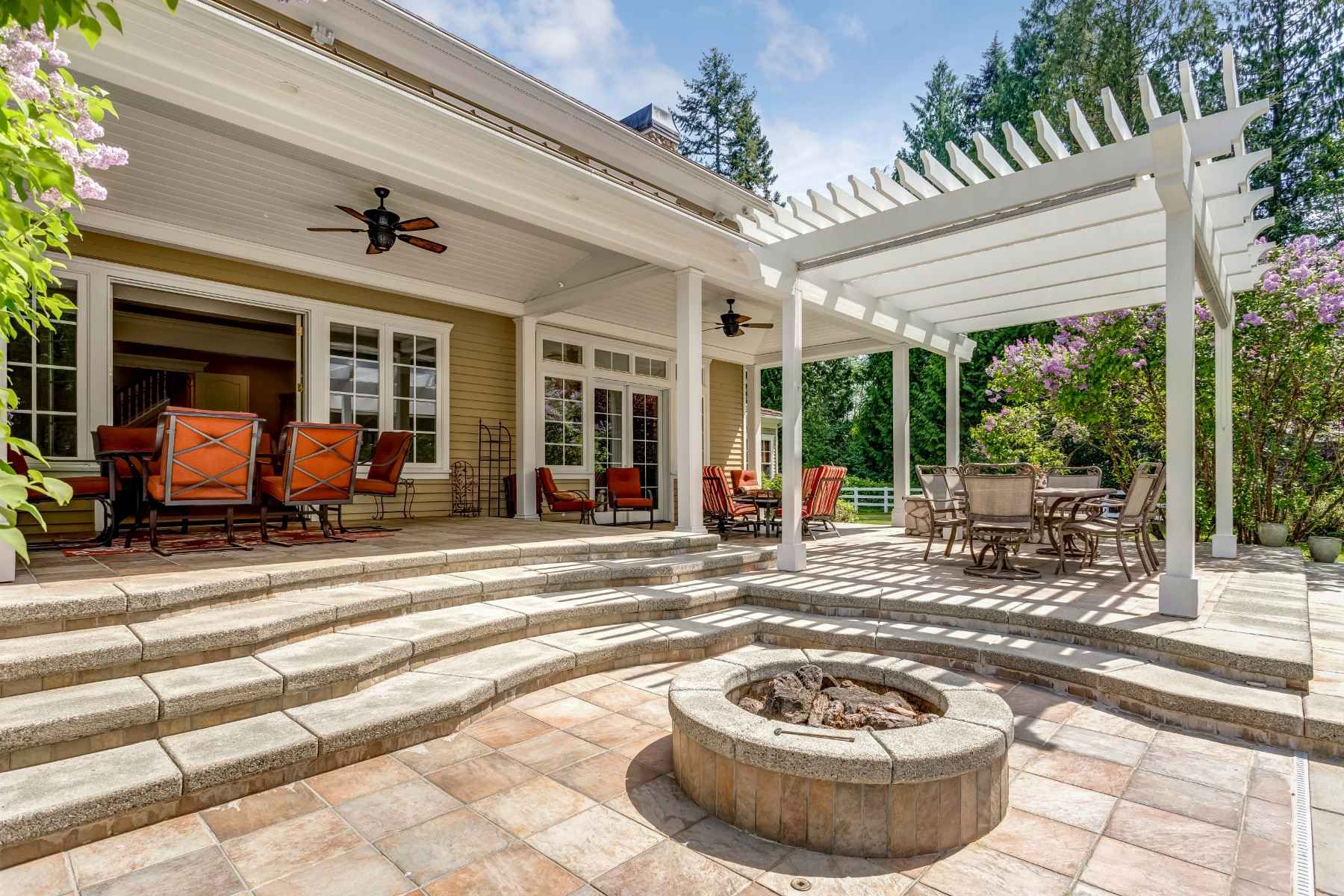
Backyards are increasingly being designed as extensions of the home. Instead of simply having a patio, many homeowners are creating complete outdoor living spaces where they can relax, entertain, and spend time with family.


Custom patios now often include seating areas, outdoor dining spaces, pergolas, and covered structures that provide protection from the elements. These additions allow homeowners to enjoy their
outdoor spaces throughout much of the year while increasing the functionality of their property.


Fire Features for Year-Round Enjoyment


Fire pits and outdoor fireplaces remain one of the most requested hardscaping features in Langley. They create a natural gathering place and help extend the outdoor season by providing warmth during cooler evenings.


Whether built with natural stone, concrete blocks, or decorative pavers, fire features add both visual appeal and practical value. They can become the focal point of a backyard while enhancing the overall atmosphere of the space.


Retaining Walls with Style


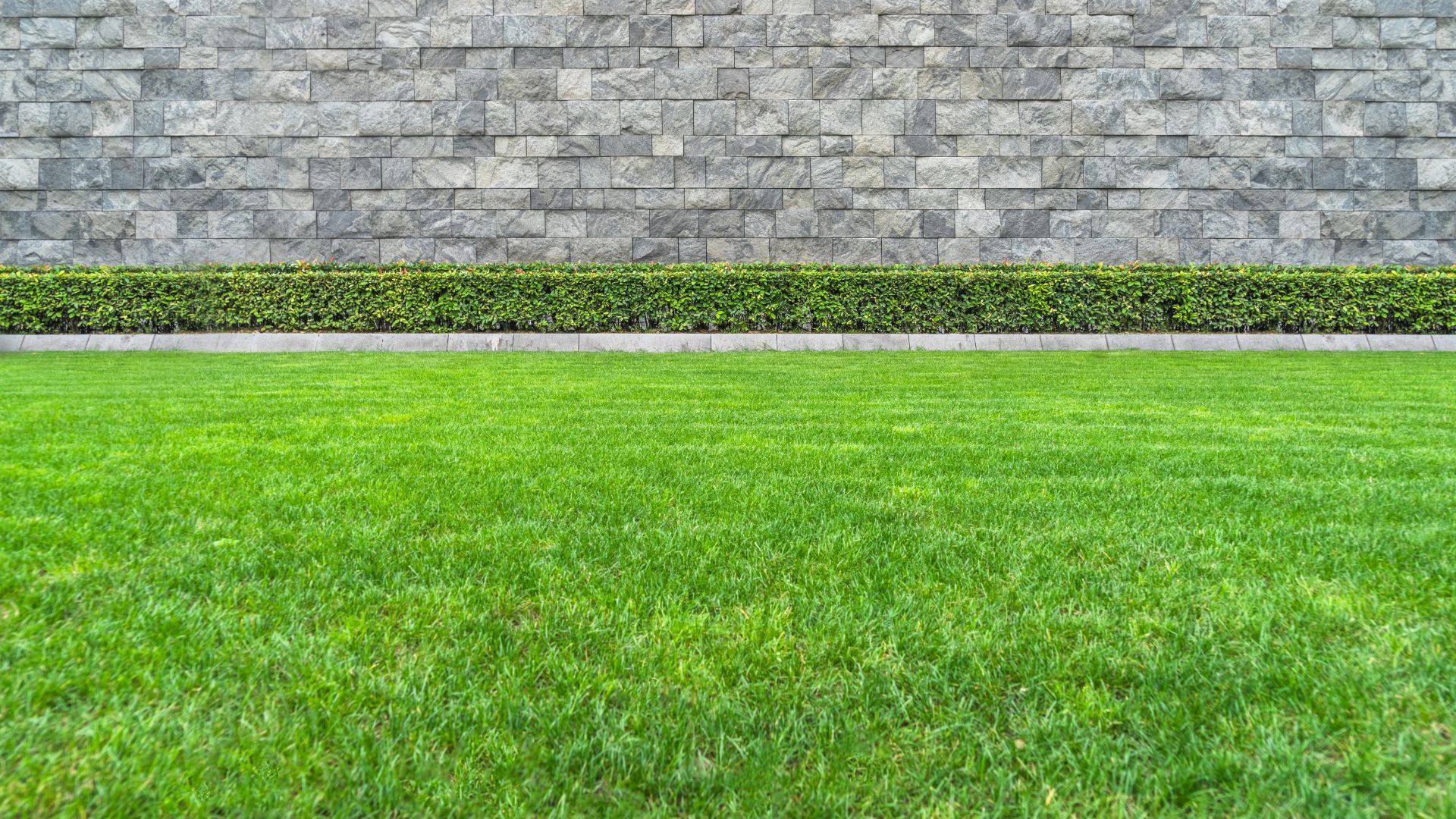
Retaining walls are no longer viewed as purely functional elements. Today’s designs combine structural support with aesthetic appeal.


Modern retaining walls often feature natural stone, textured concrete blocks, or decorative finishes that complement the surrounding landscape. In sloped properties, retaining walls help maximize usable space while adding depth and visual interest to the yard.


Many homeowners also integrate landscape lighting and planting beds into their retaining wall designs for an even more impressive result.


Integrated Landscape Lighting


Lighting has become an essential part of modern hardscaping design. Properly placed lighting highlights key features such as patios, walkways, retaining walls, and garden areas while improving safety around the property.


LED lighting systems are particularly popular because they are energy-efficient, durable, and available in a variety of styles. Integrated lighting creates a warm atmosphere that allows homeowners to enjoy their outdoor spaces long after the sun goes down.


Investing in Modern Hardscaping


Hardscaping is one of the most effective ways to improve both the appearance and functionality of an outdoor space. Whether you are adding a custom patio, installing a retaining wall, or creating a complete outdoor living area, modern hardscaping features can significantly increase the value and enjoyment of your property.


For homeowners in Langley, investing in high-quality hardscaping creates an outdoor environment that is beautiful, durable, and designed to be enjoyed for years to come.


You might also like
February 19, 2026
Best Time to Schedule Patio and Interlock Installation in Langley
March 4, 2024
While all landscaping involves making visual improvements to an outdoor space, not all landscaping is actually beneficial to the environment. If your landscape requires a lot of maintenance, extra water, energy, or fertilizer, it is likely not very environmentally friendly. Eco-friendly landscapes also provide habitats for local birds and other small wildlife. So how do you ensure that your landscaping is helping the environment? Here are a few design choices and practices you can implement in your landscape starting right now! Solar Powered Lighting Conserving electricity is always an eco-friendly choice. One of the best ways to do this in your landscape is to replace battery powered or plug-in lights with solar powered lights. These lights will charge during the day then illuminate your landscape once the sun goes down - all without increasing your energy usage. Not only will it help the environment, it will save you a little money as well! Permeable Hardscaping Swapping out non-native grass for hardscaping can be great for the environment - it eliminates the need for chemical fertilizers, extra watering, and the use of gas or electric lawn mowers. For the most environmental impact, choose hardscaping that allows water to soak through into the ground beneath it. Concrete slabs and some pavers can actually contribute to runoff and water pollution, so they are not ideal for large areas of your yard. Instead, choose a material like river rock or permeable pavers to keep the water cycle working the way it was designed to. Erosion Control Many beautiful landscapes inadvertently contribute to erosion and water runoff. Sloped lawns and bare patches of ground allow soil to be washed away during rainfall, sweeping both chemicals and sediment into our water sources. Erosion also often takes away the most fertile soil, increasing your need for fertilizers. There are many attractive ways to prevent erosion in your landscape. Ground cover can keep soil in place, while retaining walls or terraced gardens can prevent runoff. Rain gardens are one of our favorite ways to control water - these sunken gardens collect runoff from nearby structures and clean it before allowing it to soak into the ground. Compost Stations We all know that recycling is good for the environment, so why not do it in your yard? Composting is the process of turning organic waste - grass clippings, food scraps, raked leaves, and more - into fertilizer to feed the next generation of plants. Instead of removing nutrients from your micro-ecosystem by sending these items to the landfill, build a compost bin and keep all the natural goodness right in your yard. Composting doesn’t have to be a pile of rotting vegetables out in the open - compost bins can be attractive wooden structures that actually add to the charm of your landscape. Plastic bins are also available for purchase if you’d like to keep the process completely contained. Whichever bin you choose, make it a part of your landscape with decorations or adjoining flower beds, and no one will ever know what is happening inside!
March 4, 2024
For some people, gardening is an enjoyable labour of love. For others it is a dreaded necessity of life. If you are part of the second group but still want your landscape to look its best, this article is for you! Gardening can be as simple or as complicated as you want it to be, and how much work your garden requires is almost entirely determined by its design. Here are a few great ways to make your garden both lovely and incredibly low-maintenance: Use Grass Alternatives Grass may be the standard lawn covering, but it also requires a good deal of work to keep it looking nice. If lawn mowing and edging aren’t your idea of fun, consider removing most or all of your grass and replacing it with something easier to maintain. Landscaping rocks are a great way to fill in garden beds, and paving stones can outline these beds, create pathways, and even pave entertaining areas. Gravel is a low-cost alternative to both landscaping rocks and pavers, and if properly designed it can actually enhance your garden’s charm. If you aren’t ready to completely let go of the greenery in your landscape, there are many low-maintenance groundcovers that require no trimming. Periwinkle is a great ever-green option, while golden stonecrop can be used for your entire lawn if you so desire! Use Native, Perennial Plants If you want to plant it and forget it, a native perennial is the way to go. Native plants are accustomed to growing in our climate with no help from humans, so they won’t expect you to provide for their needs. Perennials will grow year after year without being replanted, eliminating the need for you to redesign your garden every spring. When you select a native perennial for your garden or landscape, it will flourish even if you never touch it again! Use an Automatic Watering System If you select any non-native plants for your garden, they will likely need to be watered regularly for at least a portion of the year. With a quality sprinkler system, this task can take care of itself. We recommend installing underground sprinklers or soaker hoses when you plant your garden, but even existing gardens can benefit from automation. Timers that attach to your hose bib are an inexpensive way to provide regular water to a section of your garden - just remember to update their programming as the seasons change! Use Fewer Trees and Shrubs This may sound counterintuitive - don’t trees take pretty good care of themselves once they are established? Yes, but they also require regular trimming and pruning, which is a task that only gets more and more difficult as the tree grows. Shrubs may not grow as large, but they must be trimmed more often than trees to maintain their size and shape. If you don’t want to have to worry about regular trimming, choose small plants that fit nicely in your garden even when they are full-grown.

Get A Free Quote!

Contact Us